About Spraying Drone
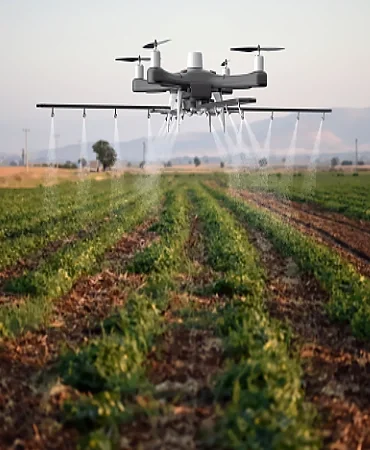
Mosquito and Chemical Spraying Drone
Targets dense vector-breeding grounds with precise biological and chemical control agents.
Importance of Mosquito Control
Mosquitoes are vectors for diseases such as malaria, dengue, Zika, and chikungunya. Controlling mosquito populations, especially at the larval stage, is crucial for public health. Traditional methods—truck-mounted sprayers or manned aircraft—are costly, imprecise, and unsuitable for wetlands or dense vegetation.
Drone-Based Mosquito Spraying
Smart drones are increasingly used to spray larvicides and adulticides directly onto breeding sites such as:
💧
Stagnant water
🌿
Marshlands and wetlands
🌾
Rice fields
🏙️
Urban drainage zones
Drone spraying enables low-volume, targeted application, which aligns with Integrated Mosquito Management (IMM) strategies recommended by health authorities.
Public Health and Environmental Advantages
🛡️
Reduced chemical exposure for operators
🌱
Significantly lower environmental impact
🎯
Precise treatment of high-risk zones only
🔇
Quiet and minimally disruptive in residential areas
faqs
Mosquito Control Drone FAQ
Drones distribute biological larvicides or approved treatments to mosquito breeding areas such as wetlands, ponds, marshes, and inaccessible locations.
Yes. We only use approved products and follow environmental regulations and application guidelines.
Wetlands, retention ponds, flood zones, marshes, farms, golf courses, parks, and residential developments.
Drones access difficult terrain safely, treat larger areas more quickly, and reduce labour requirements.
Treatment schedules vary depending on weather, breeding conditions, and mosquito activity. We can develop a customized management plan.
get started
Start your project with cinematic drone visuals.
Let Sky Shield Drone enhance your industrial operations to be seamless, automated, and efficient with autonomous technologies engineered to serve excellence.